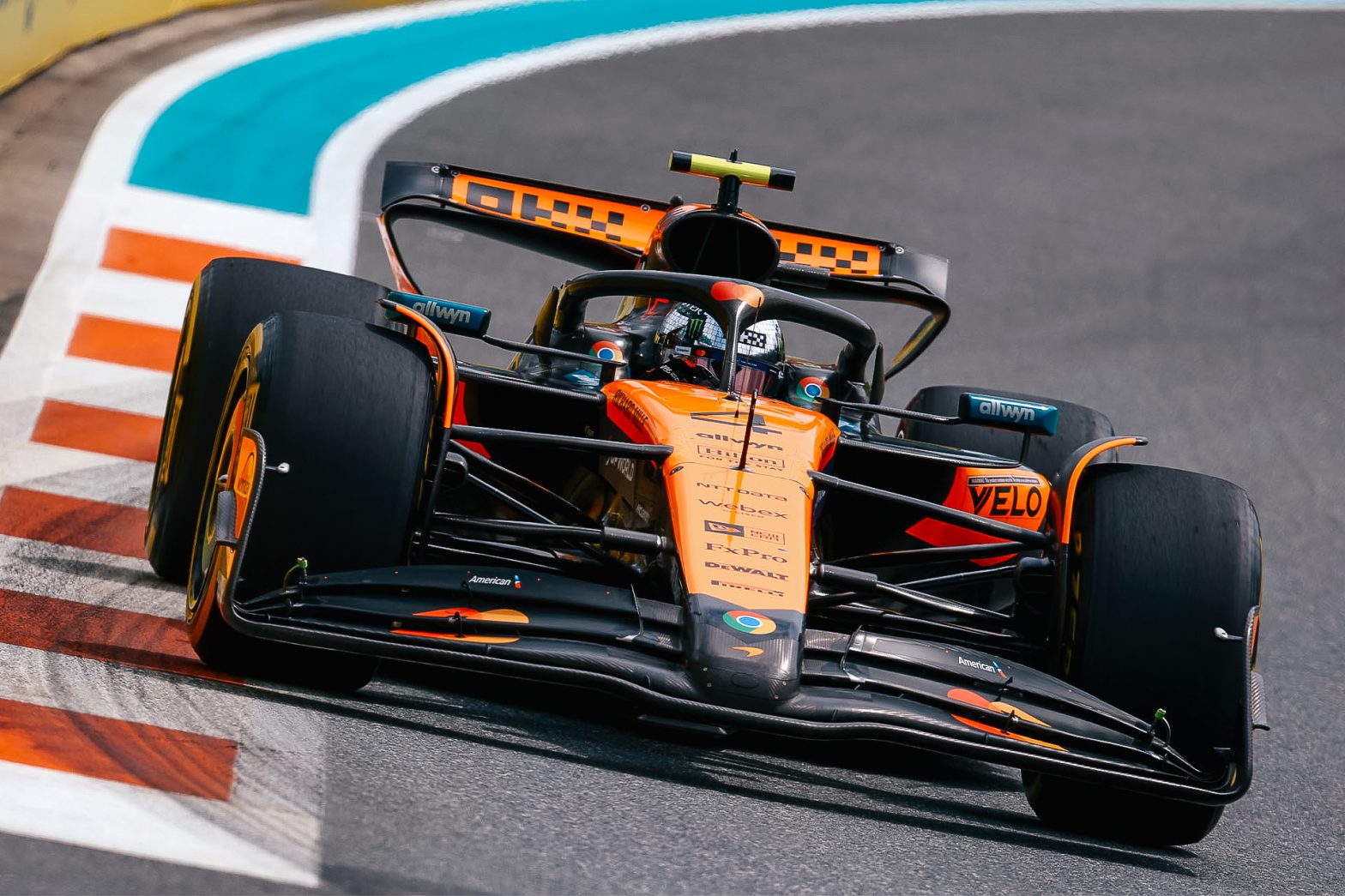
Qualifying day in Formula 1 feels like the opening act before the chaos of a Grand Prix. It sets the grid, sparks early predictions, and — for many bettors — becomes a shortcut to deciding who will win the race. But does starting first really mean finishing first? And is qualifying performance a reliable indicator for bettors looking for smarter wagers?
The truth sits somewhere between “often” and “not always,” and understanding the difference is what separates casual punters from strategic 20Bet bettors.
Why Bettors Care About Qualifying Results
Qualifying seems straightforward: the fastest cars start at the front. In betting terms, this creates an illusion of clarity. A driver on pole looks like a safe bet, and bookmakers often reduce the odds sharply on top qualifiers.
But F1 isn’t that simple. Qualifying reflects raw speed over one lap — not the unpredictable marathon of a race.
The Illusion of Predictability
Many bettors fall into the trap of assuming:
- Pole = control of the race
- Front-row start = guaranteed podium
- Midfield = no chance to win
These assumptions ignore the dozens of variables that flip a race upside down.
When Qualifying Does Predict Success
There are situations where qualifying performance is a very strong indicator of race outcome. Understanding them can help bettors find value instead of chasing hype.
Strong Correlation on Certain Circuits
Some circuits are notoriously difficult for overtaking, such as:
- Monaco
- Hungaroring
- Singapore
On these tracks, qualifying is nearly half the battle. A fast car at the front can defend the position simply because overtaking is almost impossible.
Dominant Car + Clean Air
When a team has a clear performance edge — think Red Bull 2022–2023 or Mercedes 2014–2020 — qualifying becomes a preview of the race order. Clean air helps maintain tire temperature, control strategy, and avoid mid-pack chaos.
In these scenarios, qualifying can be a powerful bet indicator.
Why Qualifying Can Mislead Bettors Completely
This is where things get interesting — and risky. Qualifying offers a one-lap snapshot, not a complete forecast. Races are long, messy, and shaped by dozens of invisible factors.
1. Race Pace Is Not the Same as Qualifying Pace
A driver might be lightning-fast for one lap but struggle over long stints. Some cars chew through tires; others come alive only in race trim.
2. Strategy Turns Everything Upside Down
Examples of unpredictable game-changers:
- Safety cars wiping out time gaps
- Undercuts and overcuts
- Changing weather
- Red flags
- Aggressive pit strategies
A driver starting P8 can suddenly become a race contender with the perfect strategic window.
3. Cars Qualify Light, but Race Heavy
Fuel level transforms car behavior:
- Light = fast, sharp, predictable
- Heavy = sluggish, unstable, tire-hungry
This discrepancy can make qualifying results almost irrelevant on race day.
How Bettors Should Use Qualifying Smartly
Instead of treating qualifying results as gospel, consider them one piece of a larger betting puzzle.
Look at Long-Run Pace First
Teams usually reveal race pace during practice sessions.
Key indicators:
- Consistency over 10-15 lap runs
- Tire aging patterns
- Sector performance in heavy-fuel simulations
If a driver qualifies fifth but has the strongest long-run pace, there may be exceptional betting value.
Watch for Teams With “Race-Mode Power”
Some teams deliberately prioritize Sunday performance over qualifying glory. Bettors who understand this engineering philosophy often spot underpriced winners.
Examples:
- Teams known for tire efficiency
- Cars optimized for straight-line speed rather than single-lap grip
- Drivers who save their best racecraft for heavy-fuel conditions
Smart Betting Checklist for Qualifying Weekend
Use qualifying as one insight — not the entire strategy.
Before You Bet:
- Compare qualifying pace vs. race pace
- Check weather and potential rain windows
- Look at tire allocation and expected pit strategy
- Evaluate driver history on the specific track
- Review team radio hints from practice sessions
Avoid These Common Mistakes:
- Betting solely based on pole position
- Ignoring midfield teams with strong race stints
- Forgetting track characteristics (tight vs. overtaking-friendly)
Final Verdict: Predictive, But Not Profound
Qualifying results can help bettors — but only when interpreted with context. On certain circuits, pole position all but seals victory. On others, it’s little more than an opening ceremony. The smartest bettors treat qualifying like a clue, not a conclusion.